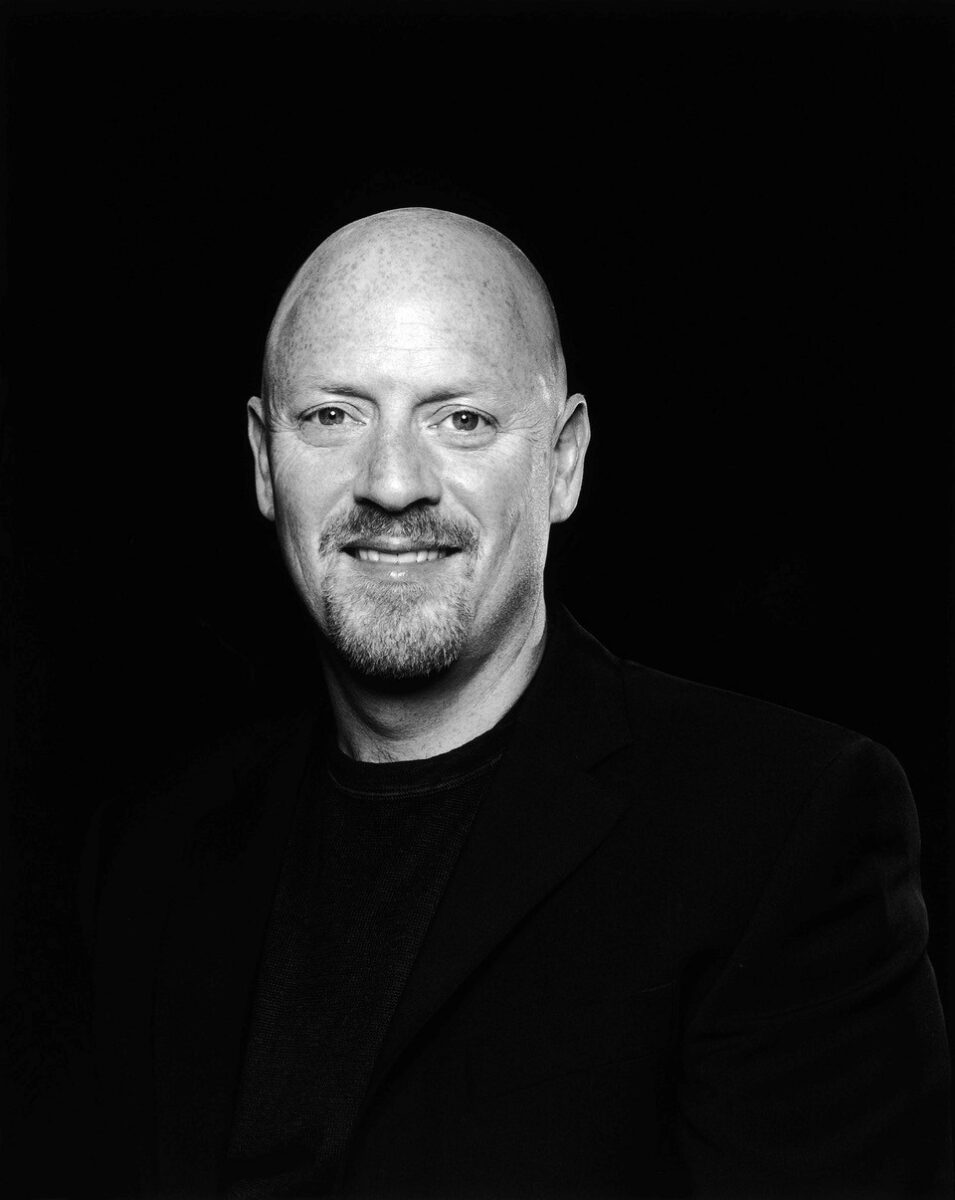
Sofi catches up with Grammy award winning composer, arranger and trumpeter Steve Sidwell. They reminisce about the importance of NYJO as a launchpad for not only his decade-spanning international career, but for many lasting friendships and musical connections.
After playing lead trumpet for NYJO in the 1970s, Steve has orchestrated musicals in the West End and on Broadway (Carole King Musical, Made in Dagenham) and contributed music to film soundtracks like Romeo + Juliet, Moulin Rouge, Bridget Jones Diary. Of his long term musical collaborators he can include a (pre-WHAM) George Michael and Robbie Williams on the list. Let’s hear how it all began…
Can you tell us about your first impression of NYJO?
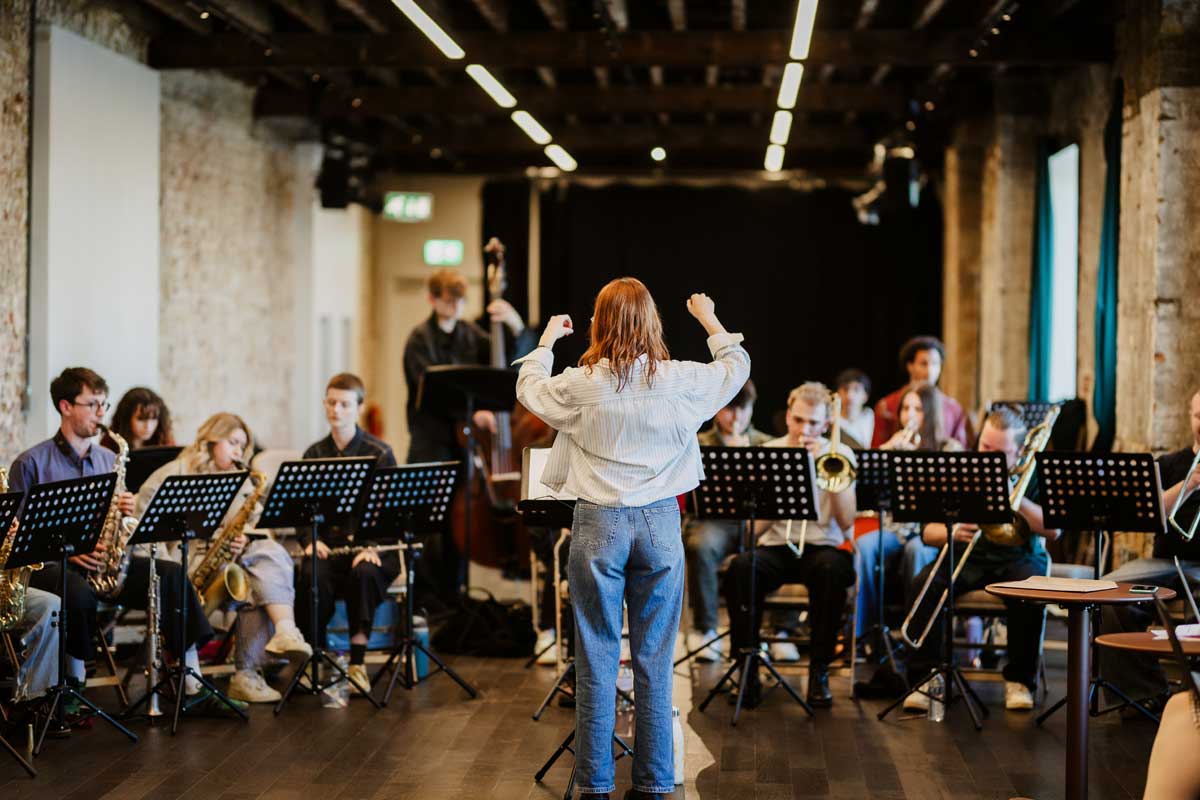
When I first encountered NYJO in the 70s, no other institution was offering formal training in commercial music for brass players. Leeds had the one other Jazz course in the country, but NYJO was truly unique in its teaching tailored for big band music. So many excellent world class players came through NYJO at that time: Guy Barker, Chris Hunter, Mark Nightingale, Nigel Hitchcock, Ralph Salmins, Dave Bishop, Jamie Talbot, Paul Morgan to name a few. It was a seat of learning and kickstarted my career as a professional studio trumpet player.
Because I was on a scholarship training classically for trumpet at the time at RCM, I couldn’t always go to the NYJO Saturday morning rehearsals. It was through the NYJO school holidays projects that I really got involved. As a teenager, playing gigs at music venues around the country was thrilling. We travelled around the UK in a coach going from city to city, getting back to London late at night for me to go and study classical the next day after little sleep; it was incredible.
Is it true that you first got into the trumpet because of a leg injury?
Well, the story goes back to when I first picked up the trumpet aged 11. I had wanted to play French horn (because I liked how it looked, haha) in the brass band of my comprehensive state school, but there weren’t enough instruments to go round and I had inherited a trumpet from my great uncle. We had a wonderful peripatetic brass teacher Alan Lumsden who encouraged us to enjoy practise. Soon after starting trumpet I got badly injured playing football and broke my leg. Not being able to walk for a year meant trumpet practice was a saviour for my mental health at that time. The result was, during that period, I enjoyed practising sometimes up to 6 hours a day!
What’s one thing you wished people knew about trumpet players?
The daily determination needed to maintain your technique on the trumpet is a question of persevering as well as physical ability. To blow a trumpet, and get a great sound, you have to form a firm “embouchure” by tightening the corners of your mouth and keeping your lips relaxed. You have to keep this up by doing it everyday. People don’t anticipate the hours put in by trumpet players, the hours that might be quite solitary for some. That is why we love it when we get together and play as an ensemble.
Trumpet players like all instrumentalists can be quite single-minded in their pursuit of music which is understandable. Having said that, I would also like people to know that you are definitely allowed to have other interests. I’ve always loved fashion, art, and theatre. It’s what got me into rock and roll! These have underscored my cross- genre collaborations on different artistic projects like pop tours, cinema, musicals, big productions and interdisciplinary arts projects that have been rewarding through the years.
You have been part of some incredible line-ups in your time, NYJO brass section included! What is your advice for young players struggling with feelings of not being ‘good enough’ to be a part of an ensemble?
It’s great to remember that musical ability improves, especially with NYJO, everyone is there to learn. It is wonderful because you are all in the same boat. More importantly, you learn loyalty, collaboration, and build trust with fellow players which are all relevant to life outside of the world of music. General life skills that you learn on the road as a professional musician will come from experience, and from accepting all kinds of gigs. Theatre, studio, international tours, advertisements, score-writing, conducting: they all come with different details that you learn on the job.
Who were people that inspired you?
The late Bill Ashton who set up NYJO and led a group of aspiring world class musicians, individuals I still work with today, continues to be an inspiration.
My dad Roy Sidwell was a professional saxophonist, already a second generation musician himself with his mother having been a pianist and teacher. My dad was part of a golden generation of UK Big Bands from the 40s, 50s and 60s. This legacy of popular music was important growing up. My dad’s working attitude was the biggest inspiration, introducing me to the likes of Buddy Rich band. He used to take me to theatres and sit me in the pit and I would watch the players intently (not even aware there were other things going on on stage). I loved the wall of sound, I loved the volume.
Speaking about inspiration, I always take feedback seriously from non-musicians: when it comes to listening to music, they are often the people we need to hear from. Sometimes a musician’s taste might not be what helps sell a product to the listening audience. I’ve never felt I’m good at predicting what music might appeal to them as I probably have too critical an ear. I think that might go for many musicians.
Other than musicianship, are there any additional skills you think it’s important for musicians to develop from a young age?
Loyalty, playing within a unit of likeminded peers and valuing their individual skills. Collaboration, which is something crucial to writing with different instruments in mind, being able to delegate different expertise to different instrumentalists. I like to fight the good fight to get as many musicians on a gig, it’s about supporting the future of live music, making no compromises and keeping the big band sound wherever possible!
One thing I would like young musicians to know today, in a world of social media: verbal communication is still so necessary. Pick up the phone! I know it’s awkward, you have to be your own ambassador and make a good impression and people will want to work with you again and again, face to face too. That is what meaningful connection is all about.
Finally, tell us a bit more about your transition into writing and orchestrating music. Have you got any upcoming projects we can look out for?
It was a conscientious decision to shift into more writing work. Having a young family, I was thinking about how sustainable my regular theatre gigs were, I wanted to reignite the creativity in my work. In writing, it’s important to remind yourself that musical motifs surround us, rhythm is everywhere, you can transpose in your free time (listening to the bus, customer service hold music, nature sounds: every room has its own vibration and sound that can be written on a score).
These days I’m mostly orchestrating. I have got a couple of upcoming shows in the UK and abroad. I still get to work with a few great artists. Lady Gaga, Ariana Grande and Robbie Williams I’ve worked with recently and all have projects coming up I’m hoping to be involved in.