
What are Safe Spaces?
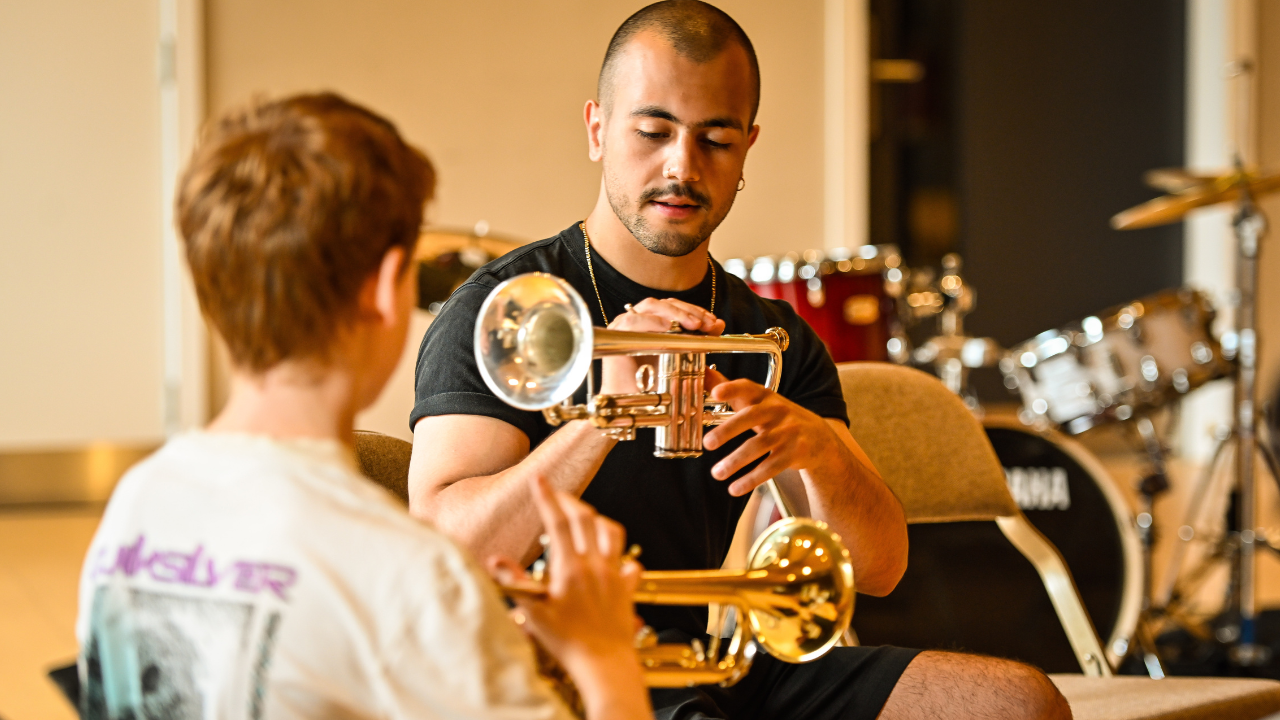
There are lots of barriers that might prevent young people from accessing strong, positive music education. For us, some of the most common barriers that we come across include:
- Rurality
- Financial constraints
- Lack of parental engagement/support in music
- Lack of positive musical role models
- No active in-school music departments
As an organisation, we are committed to achieving greater fairness, access and opportunity in music education, and to challenging some of these barriers to access where we are able to.
As a result, we are always working to place front-and-centre the principles of equal access and inclusion and to create ever-more safe and welcoming spaces for young people of all backgrounds and experiences.
For us, safe spaces are all about ensuring that everyone feels:

Some of the most common measures that we use to create safe rehearsal spaces include:
- Having food & drink in our spaces
- Offering fare/travel contributions to make accessing the space possible
- Having quiet breakout spaces
- Giving access to fidget toys for grounding
- Having tissues, paracetamol, sanitary products etc. on hand
- Having games available to play during lunch and breaks
- Giving access to any charts in advance
- Having clear session plans outlined in advance – telling participants when breaks are etc.
How do we Define Best Practice Within Delivery?
At NYJO we follow a principle know as the six pillars of positive practice when training our musicians to deliver sessions.
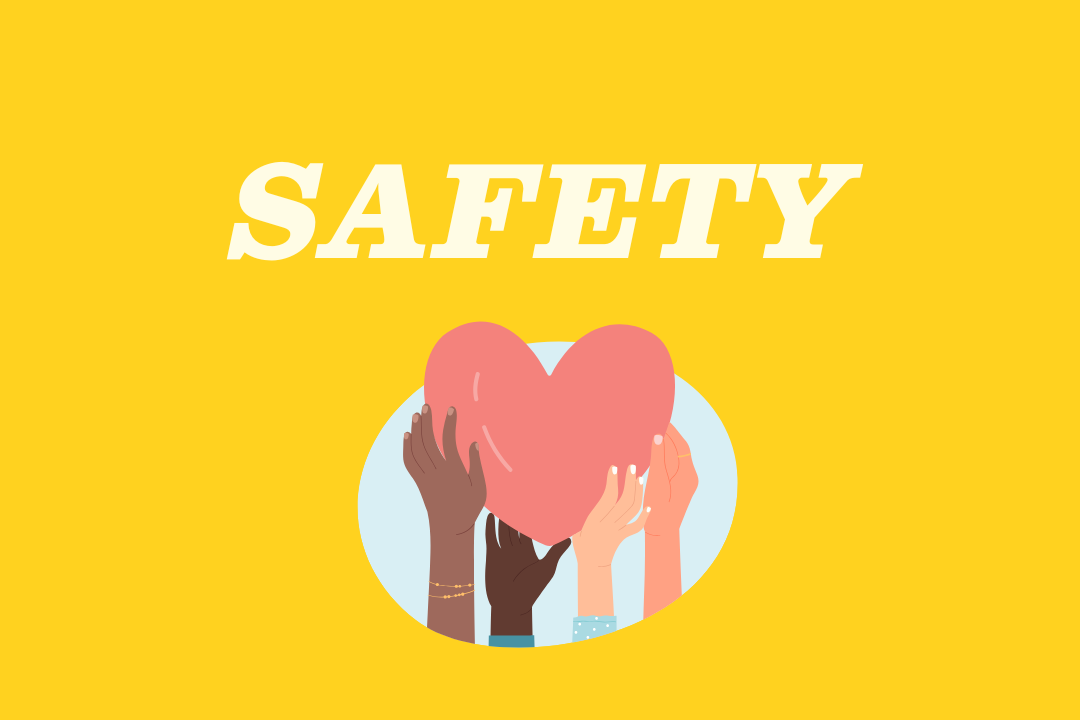
The first pillar is safety.
In practice, this looks like considering the following:
- Are you making eye contact with the young people whilst speaking to them?
- Have you got clear behavioural boundaries in place with the young people – do they know what they can expect from you and what you expect from them?
- Do you understand the Safeguarding, First Aid and Fire Evacuation procedures for the environment that you are working in?
- Is there consistency in the way that you lead from session to session, and in the way that you treat every young person in your group?
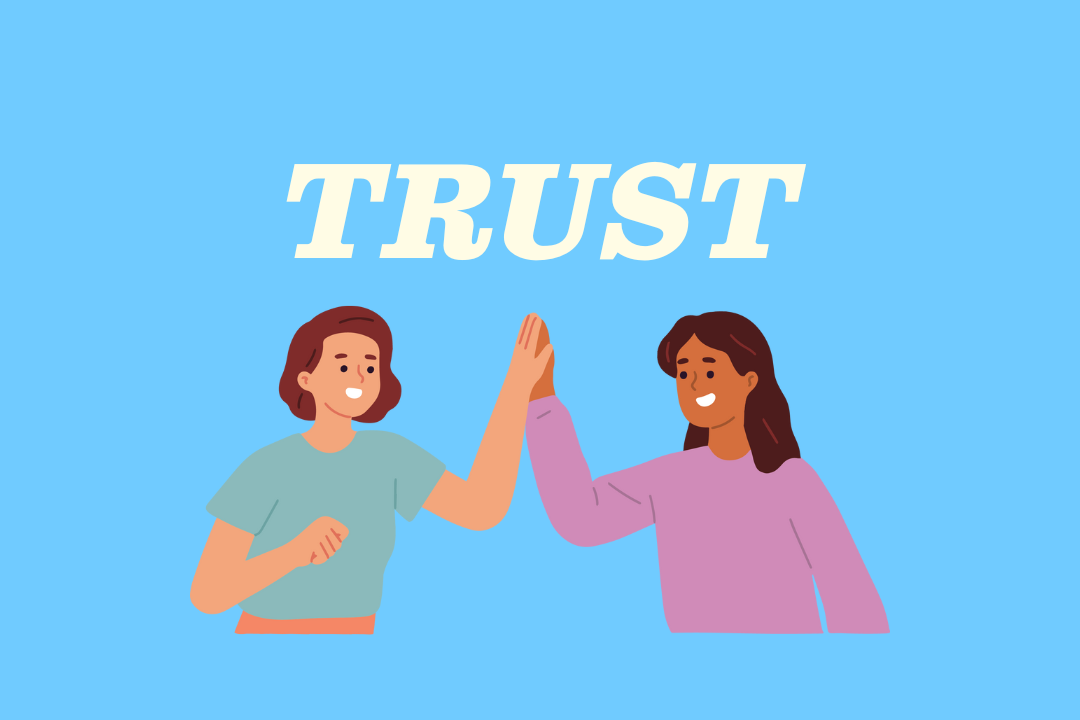
The second pillar is trust.
In practice, this looks like considering the following:
- Are you modelling positive behaviour to the young people whilst leading your sessions, and treating them in the same way that you would wish to be treated?
- Have you made any tasks that you are asking them to do clear, so that they know what success looks like and have been given all the tools that they need in order to succeed?
- Are you maintaining appropriate boundaries as a leader, so that you can be trusted to behave in a manner that is safe and in the young people’s best interests?
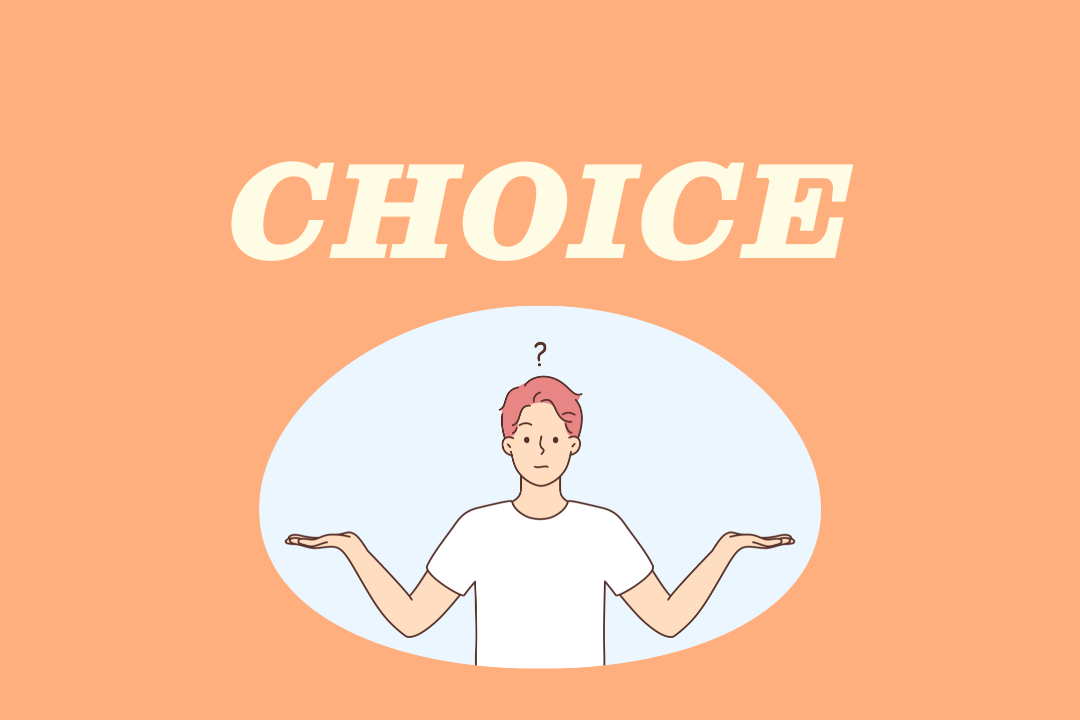
The third pillar is choice.
In practice, this looks like considering the following:
- Are you emphasising individual choice and control? Are you regularly giving the young people options and ensuring that they understand the different learning pathways available to them?
- Do the young people feel like they have some say (within reason!) in what they are learning and how they are learning it?
- Do the young people have informed consent within your learning spaces? Do they fully understand the different options they are being presented with and the outcomes/consequences/results of any choices that they may make?

The fourth pillar is empowerment.
In practice, this looks like considering the following:
- Are you providing tasks where it is possible for the young people to succeed?
- Are the tasks age-appropriate and suitable to the level of the young people you are working with?
- Are you pacing your teaching appropriately so that they have time to fully process and unpick what is being shown to them?
- Are you equipping the young people with a strong knowledge base that they can take forward?
- Are you leaving them with any new skills or resources that they can build on for themselves?

The fifth pillar is collaboration.
In practice, this looks like considering the following:
- Are you seeking input from the young people during your sessions?
- Are you explaining all available options to them?
- Are you valuing all the contributions that are being made by the young people in your sessions, and giving everyone an equal opportunity to contribute?
- Are you listening actively to what the young people are saying and responding appropriately?
- Are you giving space for everyone to contribute in their own way, and in a manner that feels safe for each individual?

The sixth pillar is cultural awareness.
In practice, this looks like considering the following:
- Do you have an awareness of racism and gender discrimination?
- Are you pursuing any training needs that you might have in order to feel more confident in these areas?
- Are you looking to actively address these areas during the design and delivery of your sessions?
- Are you sharing the cultural context with the young people of any music that you are exploring together?
- If you are using any lyrics in translation, do you know what these mean?
- Are you creating a space that gives young people the agency they need to be fully present, and to bring their full selves with them?
How Does NYJO Define Safeguarding?
At NYJO, children, young people and vulnerable adults have the right to be safe from harm or abuse.
- We respect the rights and dignity of every child and adult with whom we work.
- All children and adults will be treated with equal respect, regardless of age, gender identity, ethnicity, cultural background, disability, sexual orientation, or religion.
- All NYJO professionals working with children and vulnerable adults have a responsibility to prevent the physical, sexual and emotional abuse of these people, and to take seriously and act upon any allegations or suspicions of abuse or neglect.
- We will establish precautions and practices which protect NYJO professionals working with children, young people and vulnerable adults from unfounded allegations.
- The feelings and concerns of any child or vulnerable adult, and/or their parent or carer, will be listened to and acted upon.
What is my Responsibility?
Everyone working with children has a responsibility to identify any child welfare concerns and, in partnership with other organisations, take appropriate action to address them.
It is not your responsibility to investigate possible abuse or neglect.
Your key role is to highlight concerns to NYJO’s Safeguarding Lead, which in turn may be referred to the local authority Children’s Social Services/Social Work Services for Children/Children’s Gateway Team (Health & Social Care Trusts).
What are NYJO’s Contact Boundaries?
- Never agree to meet a young person outside of sessions unless as part of a NYJO activity.
- Never take a participant’s phone number or add them as a contact on social media.
- Never take photos of participants on your personal phone.
Clear communication will help to reinforce these expectations and boundaries.
Support us
Support the future of jazz
Can you help us nurture a nation of young jazz musicians?
Join our passionate community of Friends, grant-making organisations or corporate sponsors at a level that suits you and share your love of jazz with the next generation.